

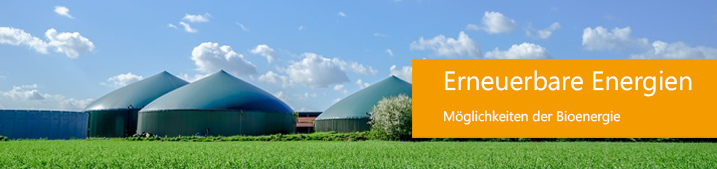
Bioenergy is becoming increasingly important in Germany. It is an indispensable component of the energy transition in the electricity, heating and fuel markets and also represents an important economic factor. Bioenergy is absolutely indispensable for meeting climate targets.
Bioenergy provides renewable energy in an extremely versatile form. Different technologies make it possible to generate heat, electricity and fuels and combinations thereof from a wide range of raw materials. This can be used both by private households and commercially. In addition to climate protection, the economic effects should not be underestimated. Selective regional production benefits the regions themselves in various ways. Farmers, transport and logistics companies, machinery and plant manufacturers and the energy producers themselves all benefit from the production of bioenergy. The positive effects are particularly noticeable in rural areas and structurally weak regions, in addition to the increase in employment.
Bioenergy refers to energy that is obtained from biomass. In our context of renewable energies, biomass is the biodegradable part of products, residual and waste materials or so-called agricultural by-products of biological origin (including animal and plant substances). It also includes the biodegradable part of waste from industry, households and trade. It also includes renewable raw materials such as specially cultivated energy crops.
This is implemented, for example, in biogas plants, biomass (heating) power plants, biofuel refineries or industrial plants. The production of bioenergy itself is a complex process. Achieving an economic benefit and success is also in the interest of the plant operator.
The economic success of such a system depends on whether its overall concept is coherent. Many factors play a role here: concept, planning, price calculation, key figures, contracts, operation and maintenance. The so-called "by-products" or "waste products" can be utilized economically and must therefore be recorded in terms of quantity and value. These by-products can therefore be planned, evaluated and calculated in parallel to the main production. Consistent processes and a coordinated system landscape are also important prerequisites in this sector, not only to avoid errors in billing, but also to maintain transparency in processing and procedures.
Dynamics NAV, Microsoft's enterprise resource planning solution for small and medium-sized companies, maps these processes automatically in applications and functions, thus ensuring efficient workflows and thus securing your investment and the competitiveness of your company in the long term.
Read the second article in the newsletter of our October issue for a detailed description of specific functions in NAV under the aspect "Mobile and service".
For companies with specific industry requirements, we offer solutions based on Microsoft Dynamics NAV that support you in your day-to-day business needs. We have the knowledge and experience. Talk to us!